Local Gardening Expert Shares Three Essential Pre-Spring Garden Tasks
As late winter temperatures begin to climb and early spring flowers start emerging, local gardeners face the challenge of preparing their outdoor spaces without rushing into planting season too early.
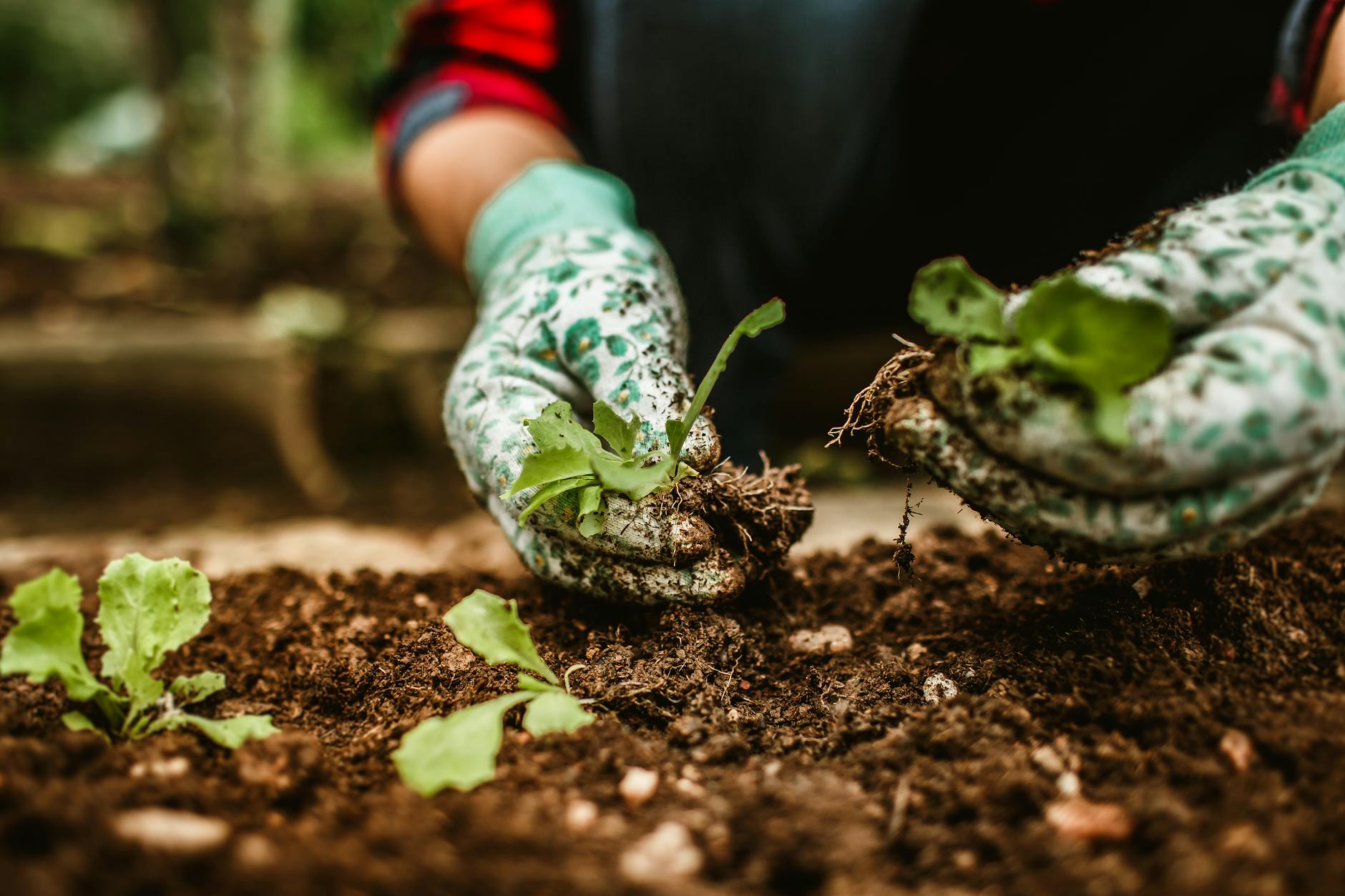
As late winter temperatures begin to climb and early spring flowers start emerging, local gardeners face the challenge of preparing their outdoor spaces without rushing into planting season too early.
Carmen Johnston, owner of Georgia-based Carmen Johnston Gardens, recommends waiting until temperatures consistently reach at least 50 degrees Fahrenheit with little chance of freeze before putting plants in the ground. However, she emphasizes that gardeners can take several important steps now to prepare their spaces for successful spring planting.
“After the winter—especially if you live in a place with a cold season that brings heavy wind, rains, or snow—your garden will demand some extra attention, show it some pre-planting TLC,” Johnston said.
The first essential task involves removing accumulated winter debris from garden spaces. Johnston advises gardeners to walk their entire property and gather fallen sticks, branches, and pinecones while raking up dead leaves. Dead plants should also be removed, though she suggests using the scratch test to confirm whether plants are truly dead before disposal. Container gardens and window boxes require the same attention during this cleanup phase.
The second critical preparation step focuses on pruning trees and shrubs. Johnston identifies now as the optimal time to cut back roses and limelight hydrangeas, along with trimming dead leaves and stems from perennials to encourage new growth. However, she cautions against pruning spring-flowering plants during this period.
“My basic rule of thumb is that if a plant flowers before mid-June, you should prune it after spring and after it flowers,” Johnston explained.
The third major task involves preparing garden beds for new plantings. Winter weather conditions, particularly snow and cold temperatures, can cause soil to become hard and compacted, making it difficult to establish new plants successfully. Johnston recommends turning over and loosening garden bed soil to create better planting conditions.
Following soil preparation, gardeners should focus on adding nutrients to support spring growth. Johnston advocates for comprehensive fertilization across entire properties.
“Fertilize everything from curb to foundation, including your lawn, shrubs, and trees,” she said.
However, effective fertilization requires understanding soil conditions first. Johnston strongly recommends soil testing through local extension offices to determine pH and nutrient levels before adding fertilizers.
“I recommend having a soil test by your local extension office to assess your gardens nutrient needs. Here in the south, soils tend to be quite acidic, which most plants aren’t fond of,” Johnston noted.
For gardeners who maintain compost systems, this preparation period provides an excellent opportunity to incorporate finished compost into garden beds, adding organic matter and nutrients naturally.
These pre-spring preparations become particularly important for suburban gardeners dealing with variable late winter weather patterns. Spring timing can vary significantly depending on local conditions, with some areas experiencing early warm spells followed by sudden temperature drops that can damage unprepared plants and gardens.
By completing debris removal, appropriate pruning, and soil preparation during late winter, gardeners position themselves for more successful spring planting seasons. The advance work ensures that when consistent warm weather arrives and planting conditions become favorable, garden beds are ready to support new plants effectively.
Johnston emphasizes that this preparation work pays dividends throughout the growing season, as properly prepared gardens typically show stronger plant establishment and better overall performance during spring and summer months.