Streets vs Roads vs Avenues: What's the Difference?
Ever wondered why some roads are called streets and others avenues? Learn the fascinating history behind everyday street name suffixes.
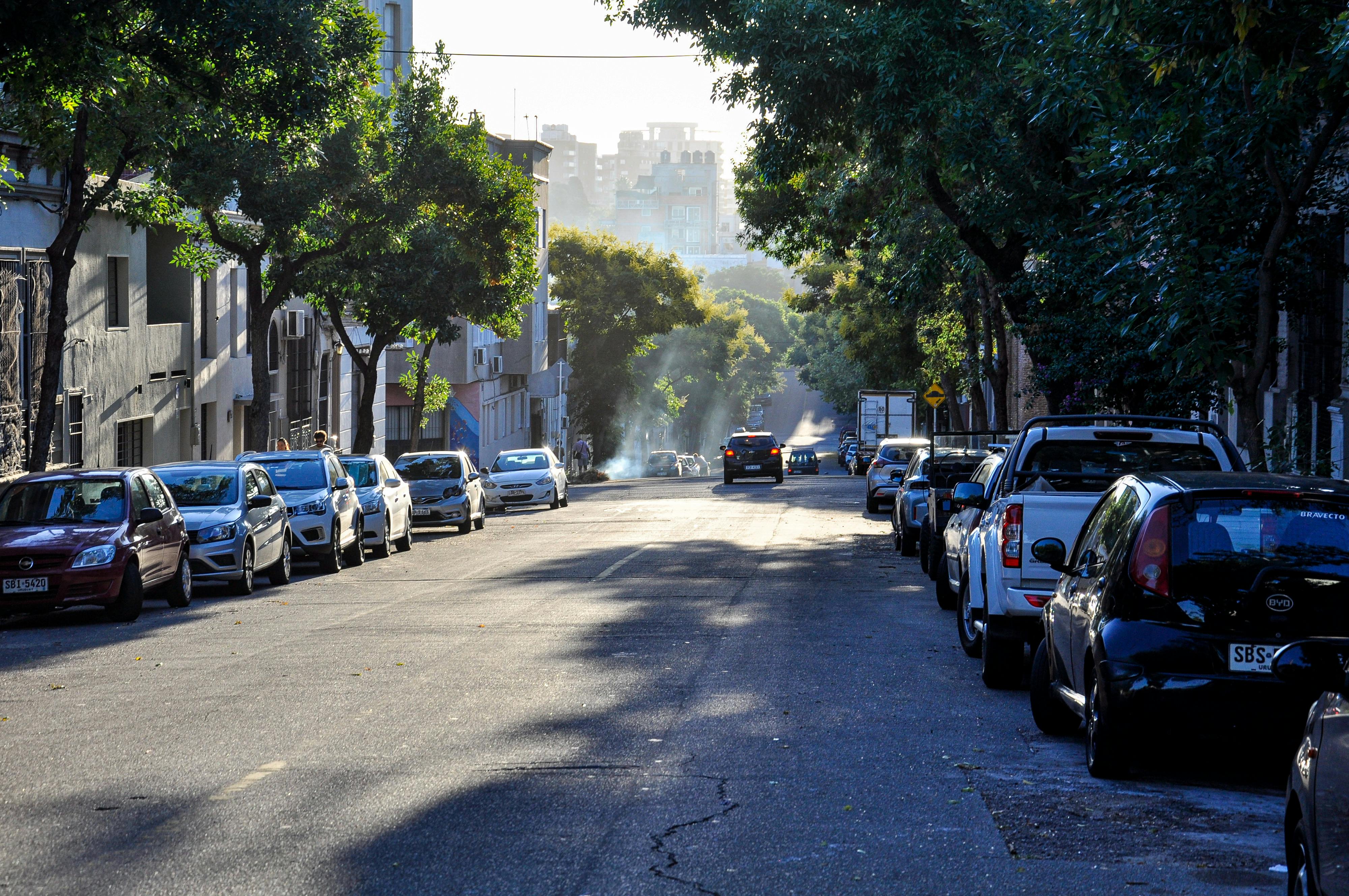
Here’s what you need to know the next time you glance at a street sign and wonder why it says what it says. Those little suffixes, Road, Street, Avenue, Boulevard, actually mean something. Or at least, they used to.
Reetie Lubana, who works closely with architects, engineers, and infrastructure teams on urban projects, puts it plainly: “Road naming is something people see every day but rarely question.” She and British transport consultant Michael Okubajo have spent real time studying the history behind these designations, officially called odonyms. And once you learn the basics, you will never look at your neighborhood’s street signs the same way.
It Starts in Europe
Road naming conventions in North America trace directly back to European planning traditions, particularly those developed in cities like Paris and London. “Originally, the terms actually meant something quite specific,” says Lubana. “Streets were paved urban routes, avenues were more formal, often tree-lined approaches, and boulevards were built on former city walls and designed to be wide and prominent.”
So that wide, tree-lined boulevard a few towns over? It carries a name with real historical weight behind it, even if nobody thought about that when the subdivision went in.
Breaking Down the Common Ones
Here is a quick cheat sheet for the roadway types you will pass on your morning carpool run.
Road is the catch-all. It can apply to a quiet residential lane or a major artery cutting through town. No special rules, just pavement going somewhere.
Street is more specific. According to Lubana, a street is typically an urban road that’s pedestrian-focused and tied to the buildings along it. Think Main Street in any small town across America.
Avenue carries a little more visual presence. Lubana notes that avenues tend to handle more traffic or be designed with scale in mind. Classic example: 7th Avenue in New York City.
Boulevard is the grand one. Wide, often divided, usually lined with something worth looking at. It comes from the old European tradition of building wide promenades on top of demolished city walls.
Drive tends to follow natural contours, winding through hills or along a scenic route. That’s why so many drives in suburban neighborhoods curve through wooded lots or follow ridgelines.
Lane is typically narrow and residential. If you live on a lane, your street probably feels quieter and more tucked away than the main drag.
Circle, Court, and Cul-de-Sac all point to roads that loop back on themselves. They are the hallmark of classic suburban planning, built for neighborhoods where through-traffic is not the point.
The Quirks Are Real
As someone who has driven through dozens of subdivisions chasing down a house number, I can confirm that the system is not perfectly consistent. Lubana acknowledges this too. Plenty of streets carry names that no longer match their original meaning. A “circle” can run perfectly straight. An “avenue” can be a forgotten two-lane road with potholes. Over time, local governments, developers, and plain old habit have bent the original European definitions to fit whatever was convenient.
Cultural and regional naming traditions add another layer. In Spanish-speaking communities, you will find “calle” (street), “camino” (path), and “paseo” (walking lane) woven into the street grid. In French-speaking Quebec, “chemin” replaces “camino,” and a road running along mountain terrain gets called a “cote” rather than a grade.
Why Any of This Matters
For most of us, the practical value is this: understanding road names can actually help you navigate unfamiliar towns. If you are looking for a shopping district, follow the streets and avenues. If you want to find a quiet neighborhood, look for the lanes and courts. If you are in an older city and you spot a boulevard, expect width and history.
Next time you are loading the kids into the car and you spot a sign that reads “Meadowbrook Terrace” or “Pinecrest Drive,” take a second look. There is a little piece of planning history nailed to that post, and now you know what it means.