3 Tile Cutting Methods Every DIYer Can Master
Learn three essential tile cutting methods any DIYer can master, from manual snap cutters to advanced tools, for flawless bathroom and floor tile projects.
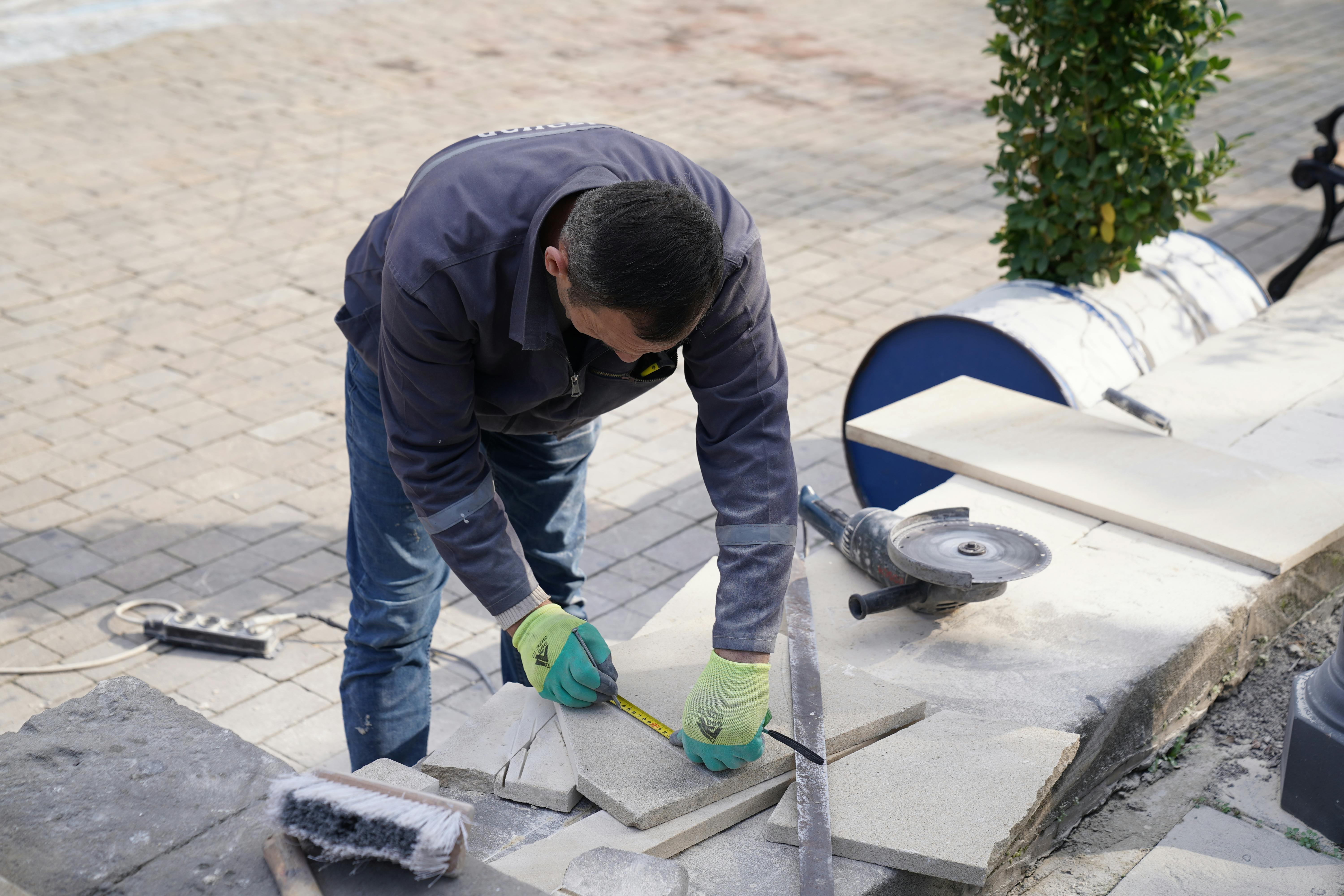
Spring is the season when half the neighborhood suddenly decides the bathroom floor needs an upgrade. If you’ve been eyeing that stack of tile samples in the garage, good news: cutting tile is one of those skills that looks intimidating but genuinely isn’t, once you know which tool to reach for. Here’s a breakdown of three methods every DIYer can learn.
The Manual Snap Cutter: Your Friendly Starting Point
For most weekend tile projects, the manual snap cutter is the place to start. It works beautifully on ceramic and porcelain tiles up to a half-inch thick, and it handles straight cuts, triangles, and rectangles without any fuss. Curves and circles are off the table with this tool, but for a bathroom backsplash or a laundry room floor, you may not need them.
The key to using a snap cutter well is patience. Muscling through it produces jagged edges and wasted tile. Instead, use a square to mark your tile, pull the lever to the bottom of the rail, and press the tile firmly against the fence so your mark lines up with the center guide. Score from bottom to top with firm, steady pressure. You should hear a light scratching sound and see a clean visible line. Two passes usually do it. Three passes is the maximum before chipping becomes a real risk.
Once you have a continuous score line, position the padded fork of the lever just below the top of the tile and press down gently, working toward the bottom until the tile breaks clean. If it doesn’t snap on the first try, one additional scoring pass usually solves it. Finish by smoothing the cut edge with a rubbing stone before you set the tile.
One reminder: wear safety glasses every single time. Tile fragments travel fast and far.
The Angle Grinder: For Curves and Complex Shapes
When your project involves cutting around a toilet flange, a plumbing valve, or anything that requires a curve, the angle grinder earns its place in the toolbox. Pair it with a diamond blade made specifically for tile, and it becomes a surprisingly precise instrument.
Safety gear matters more with this tool. Safety glasses, hearing protection, and a respirator are all required before you start. Clamp your tile onto a piece of plywood to protect your workbench, mark your cut line, and put an X on the waste side so you always know which side to work from.
Keep a spray bottle of water nearby. Spritzing the tile and blade keeps dust down and protects the blade from heat. Move the grinder at a steady walking pace. Going too fast causes chipping; going too slow overheats the blade. Make a first pass along your line, wet everything again, then make your final pass. Always wait for the blade to stop completely before setting the grinder down. Smooth the edge with a rubbing stone before installation.
The Wet Tile Saw: The Workhorse for Heavy Materials
If your project involves marble, thick porcelain, or natural stone, the wet tile saw is the right call. This tool uses a continuous water-cooling system that keeps the diamond blade from overheating, which means smoother cuts and far less dust compared to dry cutting methods. It handles straight cuts with a precision that the other two tools simply can’t match at this material thickness.
The learning curve on a wet tile saw is manageable for most DIYers. Setup takes a few extra minutes, but the results speak for themselves, especially when you’re working with expensive stone that you really cannot afford to crack.
These are the people who make our neighborhoods home, and those people deserve bathrooms they love walking into. Whether you’re tackling a mudroom floor this spring or finally finishing that master bath you’ve been putting off, picking the right cutting method is the step that sets the whole project up for success. Start with the snap cutter if you’re new to tile work. Add the angle grinder when the layout gets creative. Bring in the wet saw when the materials demand it. If you’re looking for a way to give back to your own home, this might just be your weekend.