Hit a Pothole? Signs Your Car May Be Damaged
Potholes can cause hidden car damage beyond flat tires. Learn the warning signs of suspension, steering, and axle damage after hitting a pothole.
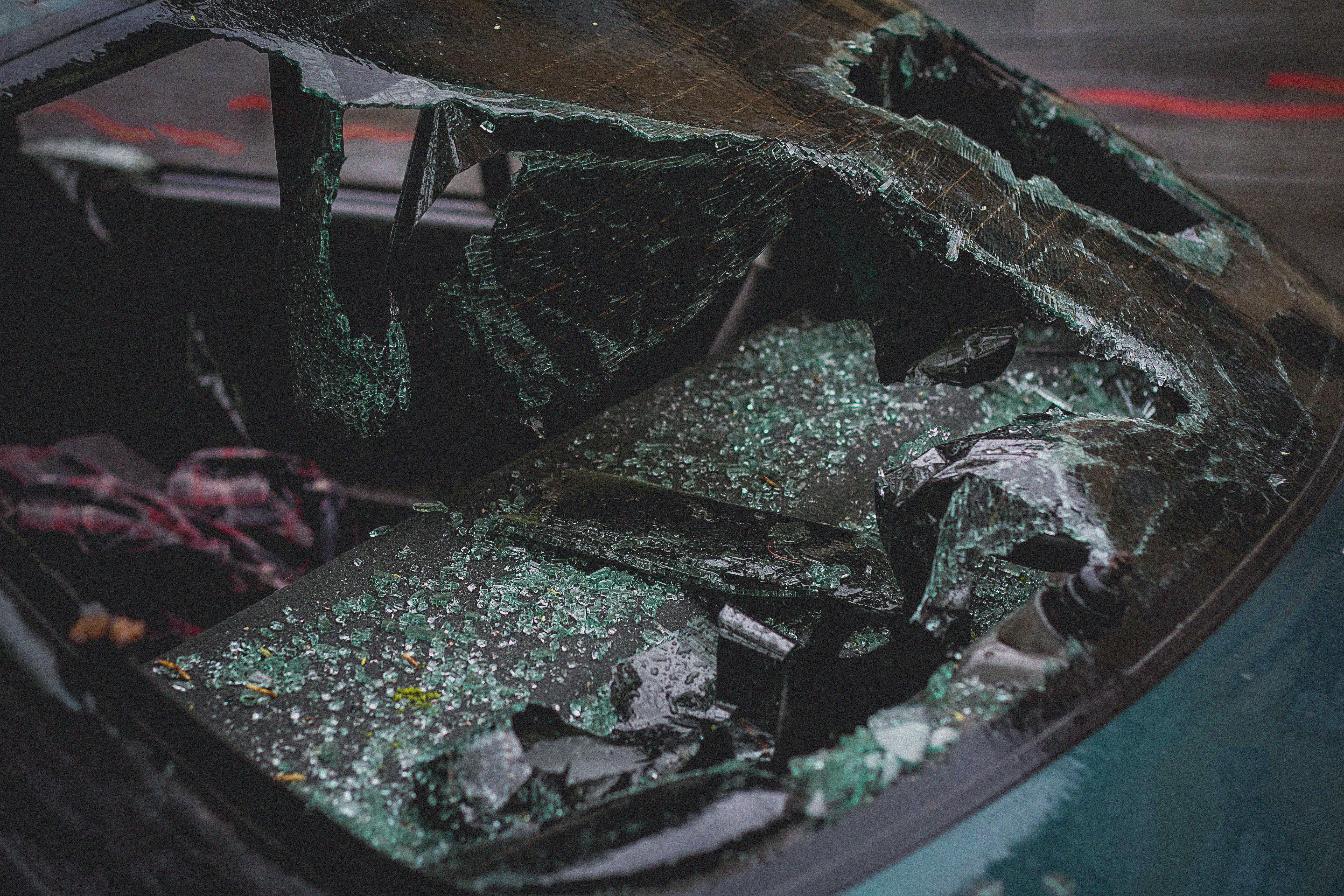
Here’s what you need to know if you’ve been navigating the spring roads around here lately: potholes are not just an annoyance. They can do real damage to your car, and some of that damage won’t announce itself right away.
As someone who walks these streets, I know the roads in freeze-thaw climates take a serious beating every winter. Water works its way into the asphalt, freezes, expands, and then thaws, breaking the road apart from the inside out. By the time spring arrives, those craters are waiting for you at every intersection, and your tires are rolling over them before you can swerve.
Here’s the deal on why potholes hit so hard this time of year. Cold temperatures stiffen your tires, which means rubber absorbs less of the impact when you drop into a hole. That extra energy goes straight into your suspension, your steering components, and your axles. Add road salt and mud working into any small cracks or weak points, and you’ve got conditions that can turn a minor issue into a serious mechanical failure fast.
The visible stuff, a flat tire or a bent rim, is easy to catch. The hidden damage is what gets people into trouble.
I checked with guidance from master ASE technicians on this, and here’s what they say to listen for after you’ve hit something hard.
A clunking noise when you drive over bumps or roll into a raised driveway is a straight-up warning sign. It could point to damaged or bent bushings, worn ball joints, tie-rod ends, or shot struts and shock absorbers. Don’t ignore it and hope it fades.
A metallic knock or slapping sound on wheel rebound is another red flag. That could mean a bad strut mount, a cracked coil spring, a bent sway arm, or a leaking hydraulic damper. None of those get better on their own.
A deep thud paired with your car pulling to one side suggests something more serious, possibly a bent wheel, or a loose or shifted sub-frame. That’s a safety issue that needs immediate attention.
Clicking or grinding when you turn is often a sign of CV joint trouble. Your CV axles transfer power from the transmission to your wheels, and they take a beating when the car drops hard into a pothole. A torn CV boot lets in dirt and moisture, and once contamination gets in there, the joint degrades quickly.
Beyond the noises, do a simple visual check after any hard hit. Walk around the car and look at each tire. Uneven tread wear, a visible bulge in the sidewall, or a tire that looks lower than the others are all reasons to head to a shop. Also look for any obvious fluid under the car that wasn’t there before.
A misalignment after a pothole impact is one of the sneakiest problems because you may not feel it as a noise at first. You’ll feel it as your car drifting slightly or your steering wheel sitting off-center. Left uncorrected, a bad alignment chews through your tires and adds stress to your wheel bearings.
The practical takeaway here is simple. If you hit a pothole hard enough to feel it in your teeth, give the car a once-over before you drive it another 50 miles. Listen during the next few drives. Pay attention to how it steers, how it brakes, and whether anything sounds or feels different from before.
Getting a pothole-related problem diagnosed early almost always costs less than catching it after it’s caused secondary damage down the chain. A bent control arm that goes unaddressed will start chewing through tires and wheel bearings. A CV joint that gets ignored can fail completely, and that’s a tow-truck call at best.
Your car puts up with a lot over a long winter. Give it a little attention this spring, and it’ll get your family where they need to go all season long.