Deadly Faulty Airbags Found in Hyundai and Chevy Cars
NHTSA warns defective airbag inflators have killed 10 people in Chevrolet Malibu and Hyundai Sonata vehicles. Here's what drivers need to know.
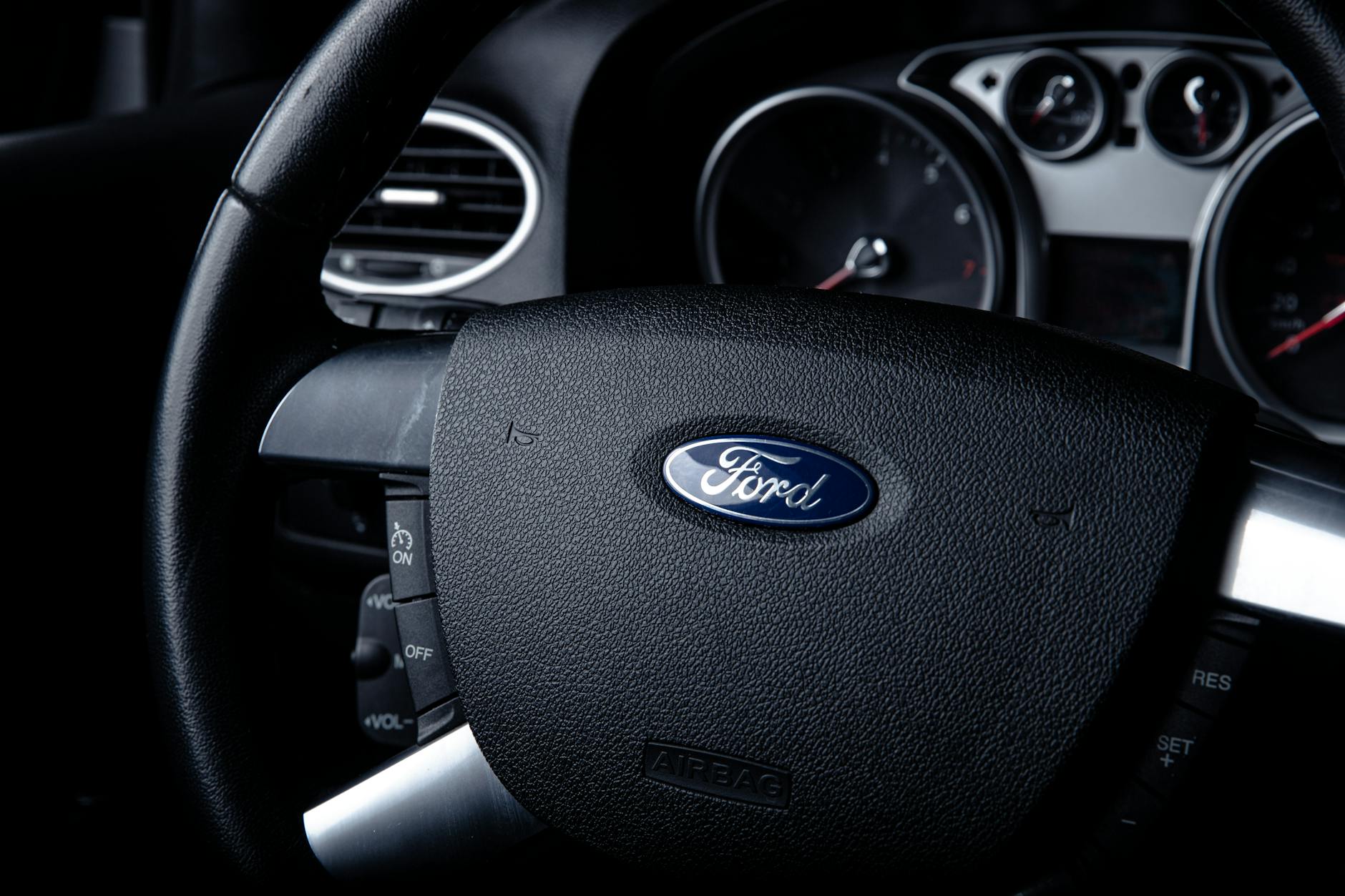
You buckle your seatbelt, check your mirrors, and assume the safety equipment in your car is going to do its job if things go sideways. For most of us, that’s a reasonable assumption. But right now, federal safety officials are sounding the alarm about a specific type of airbag inflator that has already killed ten people and seriously injured two more.
The National Highway Traffic Safety Administration has issued a warning about substandard airbag inflators that don’t just fail to protect drivers. They explode. And the metal fragments go straight into drivers’ chests, necks, eyes, and faces.
Not a slow failure. An explosion.
According to the NHTSA, 12 crashes have been tied to these defective parts so far. Every single one of those crashes involved frontal driver airbag inflators manufactured by Jilin Province Detiannuo Safety Technology Co., Ltd., a Chinese company the NHTSA refers to as DTN. When the airbags deployed in these crashes, the inflators ruptured instead of performing normally, turning safety equipment into shrapnel.
All 12 known crashes happened in Chevrolet Malibu and Hyundai Sonata vehicles. But here’s the part that should make every used car buyer pay close attention. The NHTSA says it “does not have information to confirm the risk is limited to these makes and models.” So while the Malibu and Sonata are the confirmed cases right now, the agency can’t rule out that these counterfeit inflators ended up in other vehicles too.
The big question most people have is simple: how does something like this happen?
The NHTSA is still investigating exactly how many of these inflators entered the United States illegally. Think about that word. Illegally. These parts got into the supply chain somehow, likely through shady used car repair shops or aftermarket parts dealers cutting corners on price. When your car gets repaired after an accident at a shop that isn’t affiliated with the original manufacturer, there’s no guarantee the replacement parts are the real thing. That’s the gap these counterfeit inflators slipped through.
So what can you do right now?
First, think about your vehicle’s history. If you bought a used Chevrolet Malibu or Hyundai Sonata, or honestly any used car that’s been in a crash since 2020, you need to find out where it was repaired. The NHTSA specifically says any vehicle “that was in a previous crash with an air bag deployment since 2020 and was not repaired by one of the manufacturer’s dealerships” should be inspected immediately. Take it to a reputable mechanic and ask them to confirm the airbag inflator is a legitimate, original-quality replacement part.
If you don’t know your car’s repair history, get a vehicle history report. Services that pull together title, accident, and service records can give you a clearer picture. It’s a small investment that could save your life.
The NHTSA’s guidance is stark on one point. If your vehicle is found to have one of these DTN inflators, do not drive it. Park it. Don’t use it until the inflator is swapped out for genuine parts. This is one of those situations where the agency isn’t hedging with cautious language. Don’t drive it.
There’s also a law enforcement angle here worth knowing. If you or your mechanic discovers a counterfeit inflator, the NHTSA says you should contact your local Homeland Security Investigations office or FBI field office to report it. You can also submit a complaint to the National Intellectual Property Rights Coordination Center. Counterfeit auto parts are a federal crime, and every report helps investigators trace where these things came from.
As for a permanent fix, the NHTSA says it will decide whether a full ban on U.S. sales of the DTN inflator is required once its investigation wraps up. The Transportation Department is already weighing that move. Most safety advocates expect the ban to happen.
This story originally got traction through reporting by Family Handyman, which has been following the NHTSA’s investigation closely.
The bottom line for suburban families who rely on used cars for school runs, weekend errands, and everything in between: check your vehicle’s history, ask questions about past repairs, and don’t assume the parts under your dashboard are what they’re supposed to be. This is exactly the kind of thing that feels like a distant problem until it isn’t. Ten families already found that out the hard way.