Mom Accidentally Kept Her Placentas Frozen for 14 Years
One mom's hilarious and relatable story of two forgotten placentas sitting in the freezer for 14 years, finally discovered during the pandemic.
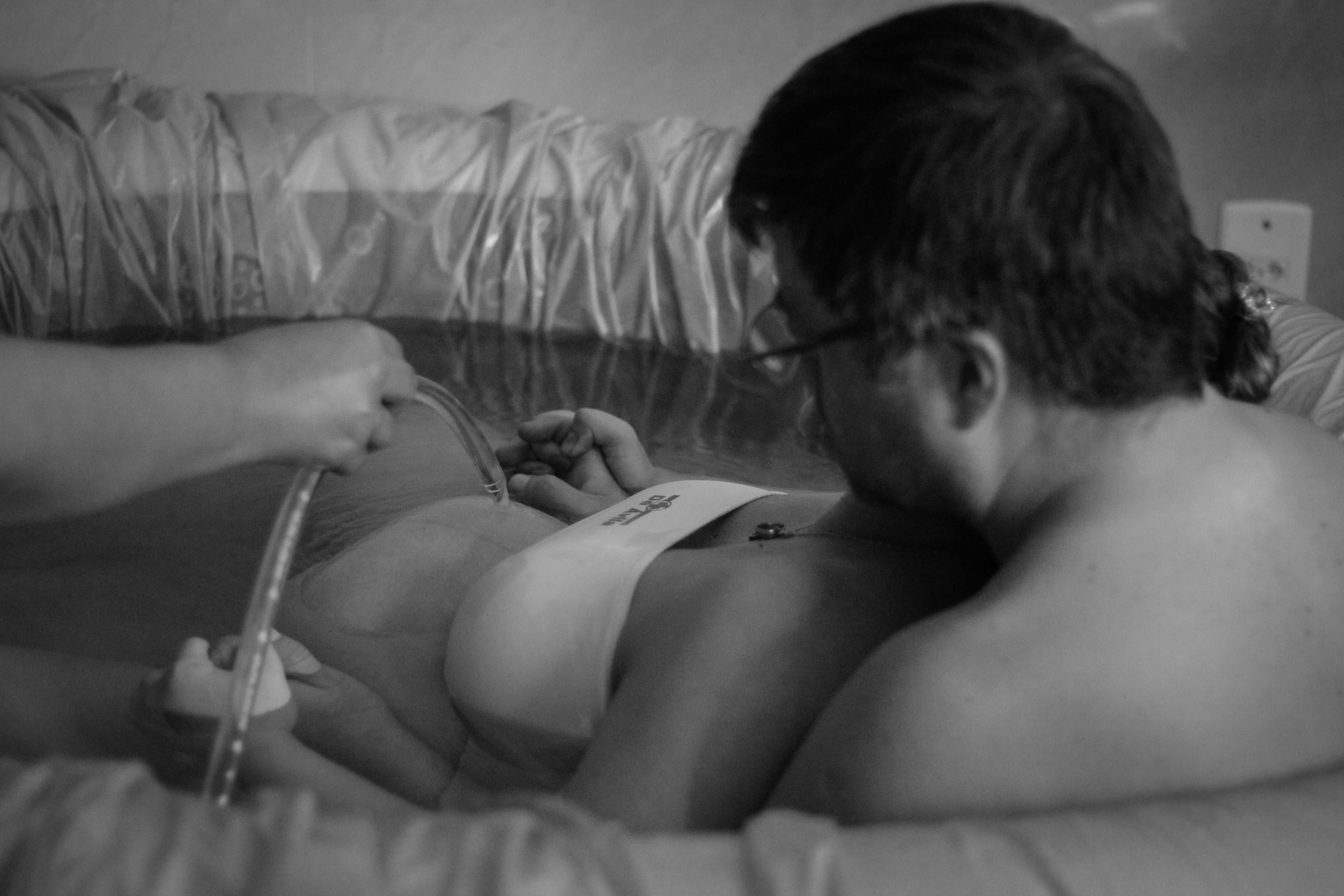
This one’s a little different from my usual “grab your drill” territory, but stick with me, because it touches on something a lot of suburban families quietly deal with: the stuff in the freezer that nobody talks about.
A writer named Svetlana Repnitskaya recently shared a story that made me laugh out loud and also made me feel deeply seen as someone who has absolutely forgotten about things shoved in the back of the freezer for way too long. Her story starts with a home birth in November 2006, in a hundred-year-old Spanish revival house in Mount Washington. Her son Mason arrived two hours after some creative stair-climbing therapy from her midwife. Thanksgiving was the next day. Guests came. Food was eaten. And somewhere in the chaos, the placenta from that home birth ended up in the freezer, mistaken briefly for cranberry sauce by a very pale husband.
They planned to bury it under a tree. Later.
Later became fourteen years.
Fast-forward to a pandemic morning in 2020. Zoom school running in the background, sourdough doing its thing on the counter, and then she opened the back door and found a small puddle of blood on the steps. The freezer bags had been moved outside the night before with good intentions, left overnight, and had started to thaw. Somehow, local wildlife passed on what should have been an easy meal. The bags sat there, untouched, quietly leaking.
In the years between that first birth and the pandemic, she had a second child, another home birth, another placenta added to the collection. Both had been sitting in the freezer while life happened around them.
Now, I know what you’re thinking, because I thought it too. But here’s the thing: this is more common than most people let on. Home birth families, and plenty of hospital birth families too, sometimes hold onto the placenta with every intention of doing something meaningful with it. Plant it under a tree. Have a ceremony. Mark the occasion. And then the baby needs a feeding, then a diaper, then another feeding, and suddenly it’s tax season and you’re not sure what’s in the back of that bottom drawer.
Repnitskaya’s story is funny, yes. The image of the frozen placenta sitting next to the Thanksgiving leftovers is genuinely one for the record books. But there’s something underneath the humor that a lot of suburban parents will recognize. We save things meaning to deal with them. We start rituals we never finish. We make plans that get buried under the beautiful, exhausting avalanche of actually raising kids.
She also mentions, almost in passing, that having Mason had given her unexpected clarity about her writing. For years she had filled notebooks late at night, during work breaks, without quite believing it could amount to anything real. Having a baby, she said, changed that. A lot of parents know exactly what she means. Something about surviving labor and delivery, whether at home on a bed or at a hospital at 2 a.m., has a way of reorganizing your priorities with a pretty firm hand.
The placentas did eventually get buried, pandemic morning and all. The tree they planted over them is presumably still growing somewhere in their yard, which is honestly a great ending to the story.
If nothing else, this is your gentle nudge to go check the back of your freezer. Not because you’ll definitely find something from 2006 in there, but because there’s probably something you meant to deal with later that’s been waiting patiently for its moment. Could be a bag of mystery leftovers. Could be a project you started in a burst of new-parent optimism and quietly abandoned.
And if you’re a home birth family with a placenta still in there, no judgment from this corner. Just maybe label the bag before the holidays.