Amazon Sold by Amazon vs Third-Party Sellers Explained
Before you buy on Amazon, check who's selling the item. This one detail affects your delivery speed, return process, and customer service experience.
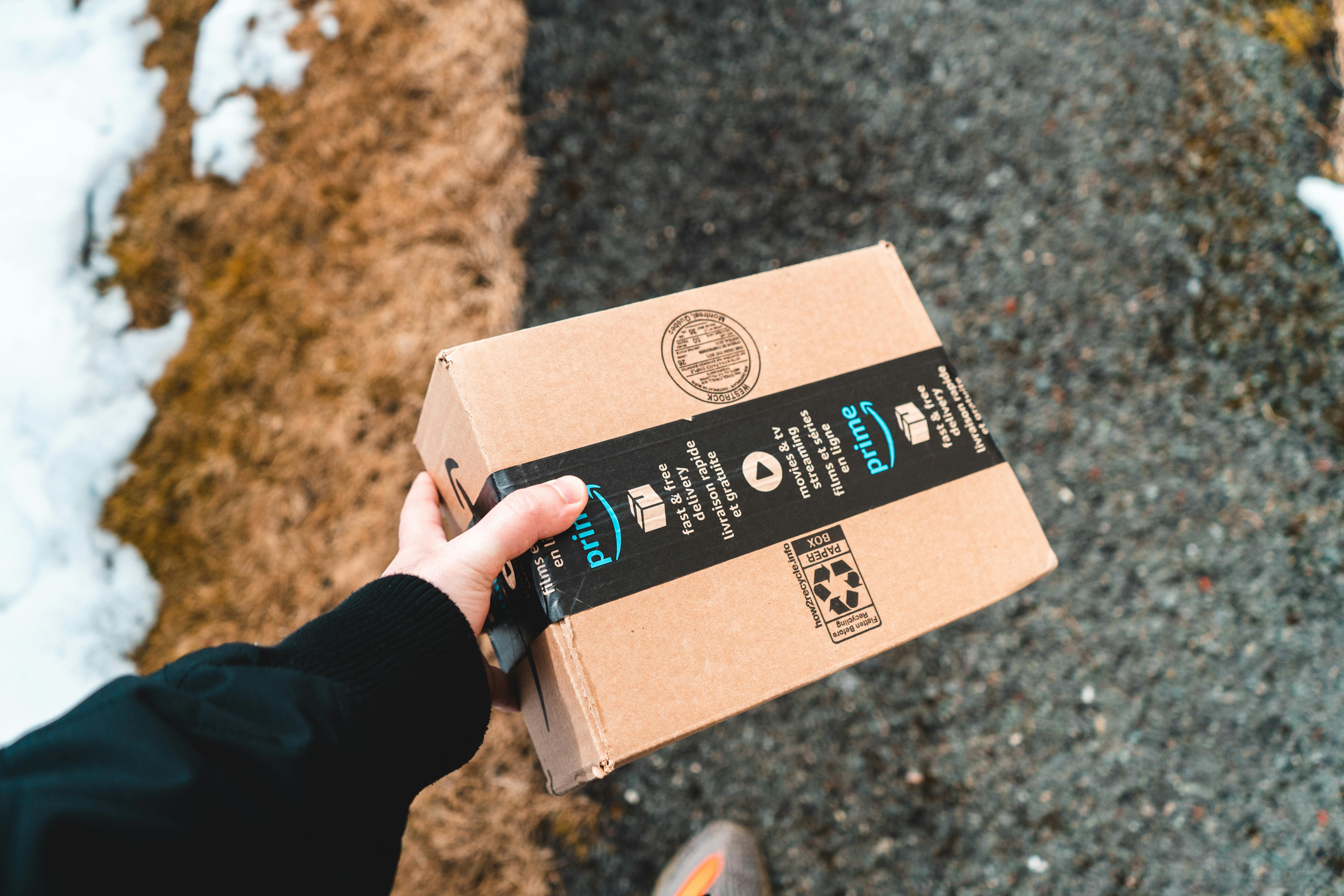
Next time you’re loading up your Amazon cart, slow down before you hit that buy button. There’s one small detail on the product page that could save you a lot of headache later, especially if something arrives damaged or just isn’t what you expected.
That detail is who’s actually selling you the item.
Most of us scroll past it without a second thought. The price looks right, the reviews look decent, and the cart grows. But Amazon’s product listings carry two distinct seller types, and the difference between them affects your delivery speed, your return process, and how much patience you’ll need if something goes wrong.
Here’s the quick breakdown.
“Sold by Amazon” Means Amazon Has Your Back
When a listing says “Sold by Amazon,” Amazon owns that product. They set the price, they handle customer service, and they manage returns. Chris Gray, CEO of Brandwoven, calls this first-party retail. “When something is sold by Amazon, you’re entering into a sales contract directly with them instead of an independent merchant using their platform,” he says.
You’ll find this information right on the product page, just below the main price and buy button. Two short lines. One shows who’s shipping the item. The other shows who’s selling it. Takes three seconds to check.
Third-Party Sellers Are a Mixed Bag
Independent merchants selling through Amazon’s platform are called third-party sellers. Some are fantastic. Others will test your patience.
The delivery situation depends on how the seller handles their logistics. Products marked “Fulfilled by Amazon” (you’ll see the abbreviation FBA) still move through Amazon’s warehouses, so delivery times are typically identical to buying direct from Amazon. No difference there.
But seller-fulfilled products ship from the merchant’s own warehouse, sometimes from overseas. Gray puts it plainly: “Amazon is a multi-billion-dollar business which has its logistics working like the military at this point. Larger third-party sellers can match Amazon’s speed, but smaller merchants may have longer handling times, fewer collection slots and less automation.”
Darren Ratcliffe, founder of Courageous, flags one more thing to watch. “If you don’t see the Prime badge, then this is where delivery timescales will differ,” he says. “It’s important to check listing delivery timescales, as I’ve seen products with timeframes of weeks and not days.”
There is one middle-ground option worth knowing. If you see the label “Seller Fulfilled Prime,” that merchant has agreed to match Amazon Prime’s speed, customer service standards, and return rules, even though Amazon isn’t handling the shipping. That’s generally a safe bet.
Returns Are Where It Gets Tricky
Returns with third-party sellers vary widely. Some offer prepaid shipping labels and smooth approval processes. Others require you to contact the seller directly, wait for approval, and then ship at your own expense. That can add days or even weeks to the process compared to the straightforward return window Amazon manages for its own products.
Amazon began rolling out changes in early 2026 requiring more seller-fulfilled orders to meet in-house standards, which is a step in the right direction. But Gray notes the structural difference is still real. “Before buying, check who the seller is and what the stated return windows and methods are,” he advises.
A Two-Minute Habit That Pays Off
This one’ll save you a call to customer service and a week of waiting by your mailbox. Before you finalize any order, scroll down just below the price and check those two seller lines. If you see “Sold by Amazon,” you’re in Amazon’s system all the way through. If you see a third-party name, give the listing a closer look. Check the stated delivery window. Find the return policy tab. Look for the Prime badge.
Third-party sellers aren’t something to avoid entirely. Many offer competitive prices and specialty products you won’t find through Amazon’s own inventory. You just want to go in with your eyes open.
Thirty extra seconds of reading on the front end beats two frustrated weeks on the back end. And honestly, your Saturday morning is worth more than that.