Can Sunlight Really Remove Stains From Dishes?
Discover how UV rays act as a natural bleach to remove tough food stains from dishes and plastic containers with zero scrubbing required.
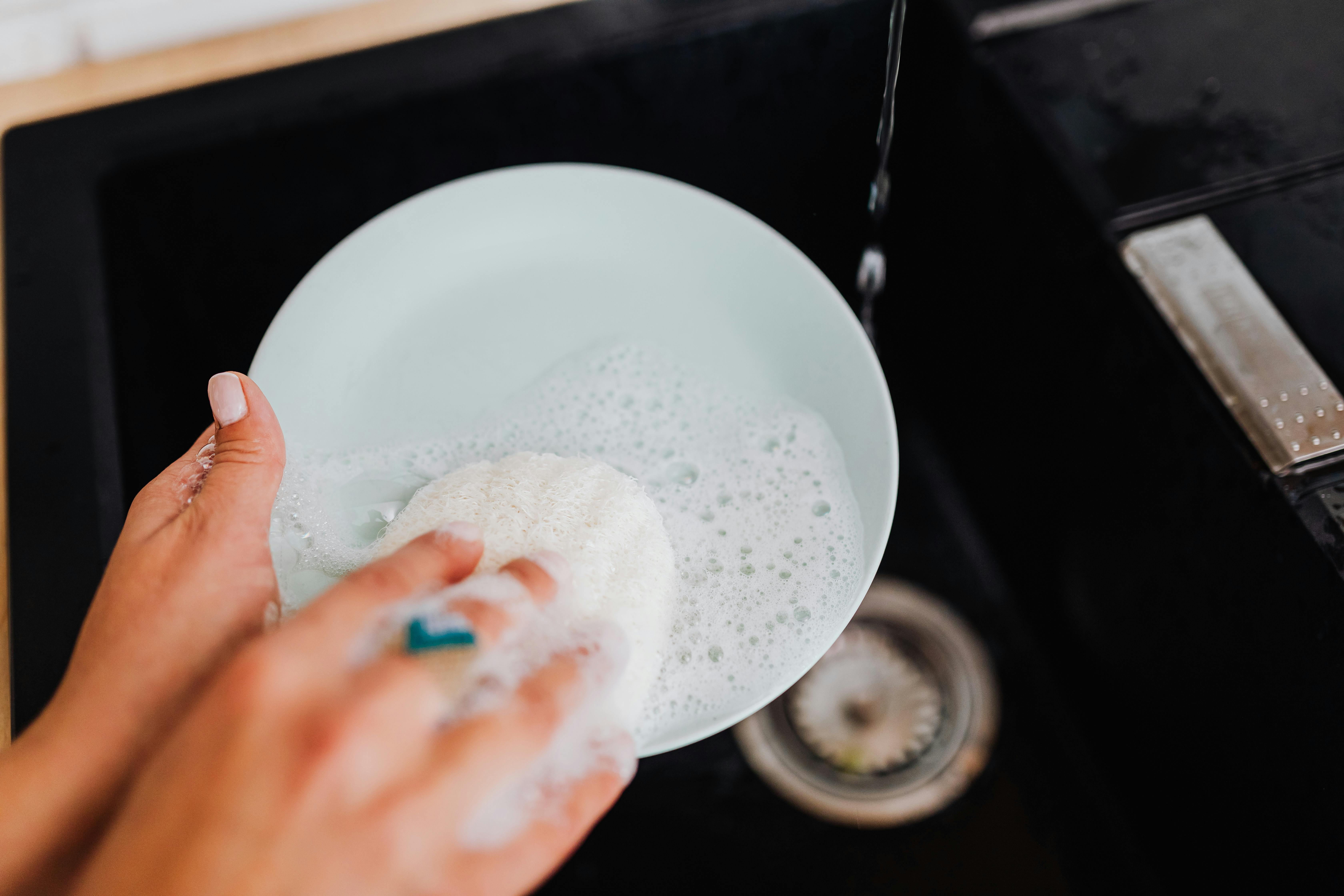
Grab your dish rack and head outside, because this one might be the simplest stain-removal trick you haven’t tried yet.
If you’ve ever pulled a plastic container or ceramic dish out of the dishwasher only to find that tomato sauce stain is still sitting there, grinning at you, you know the frustration. You scrub, you soak, you run it through the dishwasher again. Nothing. Before you resign yourself to permanently pink Tupperware, there’s a surprisingly low-effort fix worth trying: sunlight.
Yes, the same sun that’s been warming your driveway all spring can actually pull stains out of your dishes. Here’s how it works and when to use it.
Why Sunlight Actually Does Something
Sunlight contains UV rays that act as a natural bleach. Those rays break down stain molecules through a process called photobleaching and oxidation. Think about how a colored shirt left on a fence all summer fades out. Same basic idea, just applied to your favorite pasta bowl.
This method works best on organic stains like food residue, coffee, tea, wine, and tomato-based sauces. Those tannin-heavy stains that seem to bond permanently to ceramic? UV light can break them down over time. Where sunlight struggles is with metal marks, heavy mineral deposits, or the kind of fine crazing you sometimes see on older china. For those, you’ll need a different approach.
How to Do It
The process couldn’t be simpler. Once you’ve washed the dish as you normally would, set it outside in direct sunlight. You can lean it in a dish rack, lay it on a clean towel, whatever works for your setup. Plan for two to six hours in the sun, and know that stubborn stains may need multiple sessions over a few days.
Want to give it an extra boost? Squeeze a little lemon juice onto the stain before you head out. Lemon juice works as a natural bleaching agent and can speed things along, though it isn’t strictly required. A cheap bottle of lemon juice from the grocery store costs about a dollar and goes a long way.
One thing to keep in mind: this isn’t a five-minute fix. If you need that serving tray clean before the neighborhood cookout this Saturday, plan ahead and get those dishes outside earlier in the week.
When the Sun Isn’t Cutting It
If you’re dealing with a particularly deep stain, or you live somewhere that doesn’t get much direct sunlight, there’s a solid backup plan that works indoors. Fill a basin with warm water and add some three-percent hydrogen peroxide, which is the standard brown-bottle variety you already have in the medicine cabinet. Let the stained dish soak for about thirty minutes, then wash it as normal.
The peroxide bubbles up and oxidizes the stain chemically, doing the heavy lifting without any scrubbing on your part. This method is safe for glass, plastic, and most ceramics, so you don’t need to worry about ruining anything. A bottle of hydrogen peroxide runs less than two dollars at most grocery stores.
A Few Things to Watch
Sunlight bleaching works gradually, so patience is part of the deal. Check on your dishes after a few hours and see where things stand. If the stain is fading but not gone, another session the next sunny day usually does the trick.
Also keep in mind that UV exposure over long periods can affect some plastics, particularly older or thinner containers. For those, the hydrogen peroxide soak is probably the smarter call anyway.
The Bottom Line
Between the sunlight method and the peroxide soak, you’ve got two solid, cheap, no-scrubbing options for tackling those stains that the dishwasher refuses to touch. Cost to try both? Maybe three dollars total, and a little patience. That’s the kind of Saturday morning fix I can get behind. Set those dishes out in the sun, squeeze on a little lemon juice, and let Mother Nature do the work while you get on with your weekend.