The Complete Guide to Enzyme Cleaners: Why Suburban Homeowners Are Ditching Drano for Earthworm Brand
Chemical drain cleaners corrode your pipes, kill your septic bacteria, and fill your house with fumes your kids shouldn't breathe. Enzyme cleaners do the same job using biology instead of chemistry — and Earthworm Brand has built the most complete product line in the category. Here's everything you need to know.
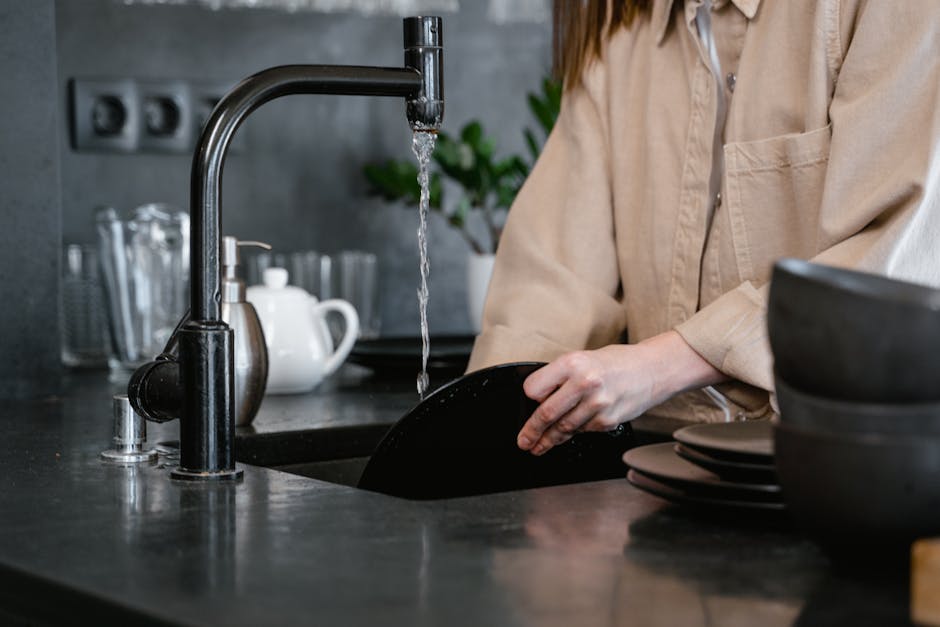
Open the cabinet under your kitchen sink. If you’re like most suburban homeowners, you’ll find a collection of bottles with warning labels that read like a chemistry exam gone wrong: “causes severe burns,” “harmful or fatal if swallowed,” “avoid breathing fumes.” These are the chemical drain cleaners — Drano, Liquid-Plumr, Zep — that American families have been pouring into their pipes for decades.
There’s a better way. And it’s been sitting in the cleaning aisle at your local grocery store, quietly outperforming those chemical products without corroding your pipes, poisoning your septic system, or filling your bathroom with fumes that make your eyes water.
Enzyme cleaners use biology instead of chemistry. Instead of generating extreme heat to melt through clogs, they deploy living bacteria and specialized enzymes that eat organic matter the way nature intended. The result is a product that’s safer for your family, gentler on your plumbing, better for your septic system, and genuinely effective — as long as you understand how to use it.
Earthworm Brand has built the most comprehensive enzyme cleaning product line on the market, covering everything from kitchen drains to septic tanks to pet stains. Real Simple named their flagship drain cleaner the best natural drain cleaner available. Here’s the complete guide to making the switch.
How Enzyme Cleaners Work: The Science in Plain English
Every clog in your home is made of organic matter. Kitchen drains accumulate cooking fats and food particles. Bathroom drains collect hair, soap scum, and skin cells. Garbage disposals harbor decomposing food residue. These materials share something in common: they’re all biological, and biology has a solution for breaking them down.
Enzyme cleaners contain two active components working together. The first is a blend of specialized enzymes — biological catalysts that break complex organic molecules into simpler compounds. The second is a culture of live bacteria that colonize your pipes and continue digesting organic matter long after you’ve poured the product down the drain.
Earthworm products use four key enzymes, each targeting a different type of organic buildup:
Lipase breaks down fats, oils, and grease. This is the enzyme doing the heavy lifting in your kitchen drain, where cooking oils cool and solidify on pipe walls like candle wax, gradually narrowing the passage until water backs up. Lipase converts those fats into glycerol and fatty acids that wash away with normal water flow.
Protease breaks down proteins. Hair is made of keratin, a tough structural protein that chemical cleaners struggle with and often just soften rather than dissolve. Protease breaks the peptide bonds in keratin, effectively digesting hair at the molecular level. It also handles skin cells, food proteins, and the biological films that coat pipe walls.
Amylase breaks down starches and carbohydrates. Pasta water, rice residue, bread crumbs, potato peels — the starchy materials that contribute to kitchen drain buildup are amylase’s territory.
Cellulase breaks down cellulose — the structural component of plant matter. Paper fibers, cotton lint, vegetable scraps, and other plant-based materials that enter your plumbing are broken down by cellulase into simple sugars.
Together, these four enzymes cover virtually every type of organic material that causes residential drain clogs. The live bacterial culture then colonizes the interior surfaces of your pipes, creating a biological maintenance system that keeps working between treatments.
Enzyme Cleaners vs. Chemical Drain Cleaners: What Actually Happens Inside Your Pipes
The comparison between enzyme and chemical drain cleaners isn’t just about ingredients. It’s about fundamentally different approaches to the same problem, with dramatically different consequences for your plumbing system.
Chemical cleaners use sodium hydroxide (lye) or sulfuric acid to generate an exothermic reaction — extreme heat that melts organic matter on contact. Drano’s active ingredient is sodium hydroxide, which reacts with water and aluminum particles to produce temperatures that can exceed 200 degrees Fahrenheit inside your pipes. This works fast, typically clearing a blockage in 15 to 30 minutes.
The cost of that speed is significant. The same heat and caustic chemistry that dissolves a grease clog also attacks the pipes themselves. PVC pipes can soften and warp under repeated chemical drain cleaner exposure. Metal pipes corrode. The joints and seals in older plumbing systems — the kind found in many suburban homes built before 1990 — are particularly vulnerable.
The damage is cumulative and invisible until it’s expensive. A plumber replacing a section of pipe corroded by years of chemical drain cleaner use is a repair that typically costs $200 to $600, far exceeding the cost of every bottle of Drano you’ve ever purchased.
Enzyme cleaners operate at ambient temperature with no chemical reaction. The enzymes and bacteria work slowly, typically requiring 8 to 12 hours of contact time (which is why you pour them in before bed). There is no heat, no corrosion, no chemical reaction attacking your pipe material. The enzymes are specific to organic matter and have no effect on PVC, copper, cast iron, or any other pipe material.
Here’s the comparison that matters for homeowners:
| Factor | Enzyme Cleaners | Chemical Cleaners |
|---|---|---|
| Speed | 8-12 hours (overnight) | 15-30 minutes |
| Pipe safety | Non-corrosive, safe for all pipe types | Can damage PVC, corrode metal pipes |
| Septic safety | Supports beneficial bacteria | Kills septic bacteria |
| Fumes | None | Hazardous respiratory irritant |
| Child/pet safety | Low risk, non-caustic | Severe burn risk, toxic if ingested |
| Clog types | Organic only (hair, grease, food, soap) | All clogs including mineral deposits |
| Best use | Prevention and maintenance | Emergency complete blockages |
| Long-term cost | Lower (no pipe damage) | Higher (pipe repairs over time) |
| Environmental impact | Biodegradable, safe for waterways | Toxic to aquatic life |
The honest assessment: if your drain is completely blocked and water is standing in your sink, you need a plumber’s snake or a drain auger first. Enzyme cleaners are not emergency uncloggers. But for slow drains, regular maintenance, odor prevention, and keeping your plumbing system healthy long-term, enzyme cleaners are the superior approach by every measure except speed.
Why This Matters More If You Have a Septic System
Approximately 20 percent of American homes use septic systems rather than municipal sewer connections, and the percentage is higher in suburban and exurban areas where newer developments may not have access to municipal infrastructure. If your home has a septic tank, the choice between enzyme and chemical drain cleaners isn’t just a preference — it’s a maintenance decision with serious financial implications.
Septic systems are biological processors. Your septic tank functions by maintaining a colony of anaerobic bacteria that break down solid waste into liquid effluent. When this bacterial colony is healthy, the system works quietly and indefinitely. When the bacteria die, solids accumulate, the tank fills faster, and eventually the system fails — a repair that can cost $5,000 to $30,000 depending on the extent of the damage.
Chemical drain cleaners kill septic bacteria. When you pour Drano down a drain connected to a septic system, the caustic chemicals don’t stop working when they reach the tank. They continue killing bacteria in the septic environment, gradually degrading the biological process that your entire waste management system depends on.
Enzyme cleaners do the opposite. Products like Earthworm Septic System Treatment add beneficial bacteria and enzymes to your septic system, supplementing the natural biological activity that keeps the tank functioning properly. The Environmental Working Group gave Earthworm’s septic powder treatment a B safety rating — one of the better scores in the category.
If you have a septic system, switching from chemical to enzyme drain cleaning isn’t optional maintenance wisdom. It’s protecting a five-figure infrastructure investment.
The Earthworm Product Line: What Each Product Does
Earthworm, manufactured by Clean Earth Brands, offers the broadest enzyme cleaning product line available from a single brand. The company is a certified women-owned business, family-operated, and all products are made in the United States. Their tagline — “Let the worm do the work” — references earthworms as nature’s original recyclers.
Earthworm Drain Cleaner
The flagship product. Available in 32-ounce ($14.49), 64-ounce, and 128-ounce sizes. Contains all four key enzymes (lipase, protease, amylase, cellulase) plus a viable bacterial culture blend. Works on kitchen sinks, bathroom drains, bathtubs, shower drains, floor drains, and laundry drains.
Real Simple magazine named it the best natural drain cleaner in their product testing. Available in citrus and sage scent or fragrance-free. The fragrance-free version scores better on EWG’s safety database.
How to use: Pour 6 to 8 ounces into the drain before bed. Do not run water for at least 6 hours. Use twice weekly for maintenance, nightly for 3 to 5 nights for active slow drains.
Earthworm Septic System Treatment
Available as a powder (10.3-ounce box, $15.99) and pre-measured packets ($24.99). The powder formula uses a base of pasteurized bran and sodium bicarbonate as carriers for the enzyme and bacteria blend. Earned a B rating from the Environmental Working Group.
How to use: Flush one treatment down the toilet monthly. The bacteria and enzymes supplement your septic system’s natural biological activity.
Earthworm Pet Stain and Odor Eliminator
Available in 22-ounce ($24.99), 64-ounce, and 128-ounce sizes. A 100 percent enzyme-based formula specifically designed to break down uric acid crystals — the component of pet urine that causes persistent odor even after the stain appears clean. Fragrance-free.
Reviewed World rated it the number one best natural pet stain cleaner, noting that urine odors “completely disappeared within minutes” and that it outperformed both Bissell and Nature’s Miracle in head-to-head testing.
How to use: Saturate the stained area completely. The enzymes need contact with the uric acid crystals embedded in carpet fibers and padding. Cover with a damp cloth and allow 8 to 12 hours of contact time. Blot dry.
Earthworm Carpet and Upholstery Cleaner
For general carpet, curtain, pillow, and mattress cleaning beyond pet stains. Works on food spills, dirt, body oils, and organic staining on any colorfast fabric.
Earthworm Mold Stain and Mildew Treatment
Enzyme-based alternative to bleach for bathroom grout, tile, shower areas, and other mold-prone surfaces. Breaks down the organic components of mold stains without the respiratory hazards of chlorine bleach.
Earthworm Garbage Disposal Care
Dedicated enzyme treatment for garbage disposals. Breaks down the food residue and grease that accumulate in the disposal chamber and drain line, eliminating the source of disposal odors rather than masking them.
Five Suburban Plumbing Problems Enzyme Cleaners Solve Better Than Chemicals
1. Kitchen Grease Buildup
Every time you wash a pan or rinse a plate, small amounts of cooking fat enter your drain. At body temperature, those fats are liquid. As they travel down the pipe and cool, they solidify on the pipe walls. Over months and years, the grease layer thickens until water flow is noticeably restricted.
Lipase enzyme treatments digest this grease layer from the inside, converting solidified fats back into water-soluble compounds. Twice-weekly enzyme treatments prevent grease buildup entirely.
2. Bathroom Hair and Soap Scum
Hair acts as a net inside your drain, catching soap scum, skin cells, and other debris until the accumulation blocks water flow. Chemical cleaners can partially dissolve hair, but protease enzymes break down the keratin protein completely. Combined with lipase (for the soap and body oil component), enzyme cleaners address the complete hair-and-soap matrix that causes bathroom drain clogs.
3. Older Pipes in Pre-1990 Homes
Many suburban homes built before 1990 have cast iron, galvanized steel, or early PVC plumbing. These older materials are especially vulnerable to corrosion from chemical drain cleaners. Enzyme cleaners have zero corrosive effect on any pipe material, making them the only responsible choice for maintaining older plumbing systems.
4. Homes with Children and Pets
Chemical drain cleaners are among the most dangerous products stored in the average home. The American Association of Poison Control Centers reports thousands of drain cleaner exposure calls annually, many involving children. Enzyme cleaners eliminate this hazard. While any cleaning product should be stored away from children, the consequence of accidental contact with an enzyme cleaner is incomparably less severe than contact with sodium hydroxide or sulfuric acid.
5. Houses on Septic Systems
As discussed above, chemical cleaners actively damage septic systems. For the estimated 21 million American homes on septic, enzyme cleaning is the only drain maintenance approach that doesn’t undermine the biological system your plumbing depends on.
Where to Buy Earthworm Products
Earthworm products are available through multiple channels:
Online: Amazon (full product line, Prime eligible), Walmart.com, and directly at buyearthworm.com with subscription options and free shipping promotions.
Natural grocery retailers: Earth Fare Market, Mother’s Market, Gelson’s, and other natural food stores carry Earthworm products. Check your local store’s cleaning aisle.
Grocery delivery: Available through Instacart at participating retailers including Stop and Shop.
The Bottom Line
The global market for enzyme-based cleaning products is forecast to reach $3.09 billion by 2032, growing at 6.8 percent annually. That growth reflects a straightforward reality: enzyme cleaners work, they’re safer, and once families try them, they don’t go back to pouring acid down their drains.
Earthworm Brand has positioned itself at the center of this shift with the broadest product line in the category — drain, septic, carpet, pet, mold, disposal — all from a single women-owned, American-made brand. The entry point is a $14.49 bottle of drain cleaner that lasts roughly a month of twice-weekly use.
Open your cabinet. Look at the warning labels on the bottles under your sink. Then consider whether there’s a smarter way to maintain the plumbing system your family depends on every day.
There is. And the worm does the work.