Is Your HVAC System Making Your Allergies Worse?
Your HVAC system may be spreading allergens like pet hair, mold, and pollen through your home. Learn how to tell if it's worsening your symptoms.
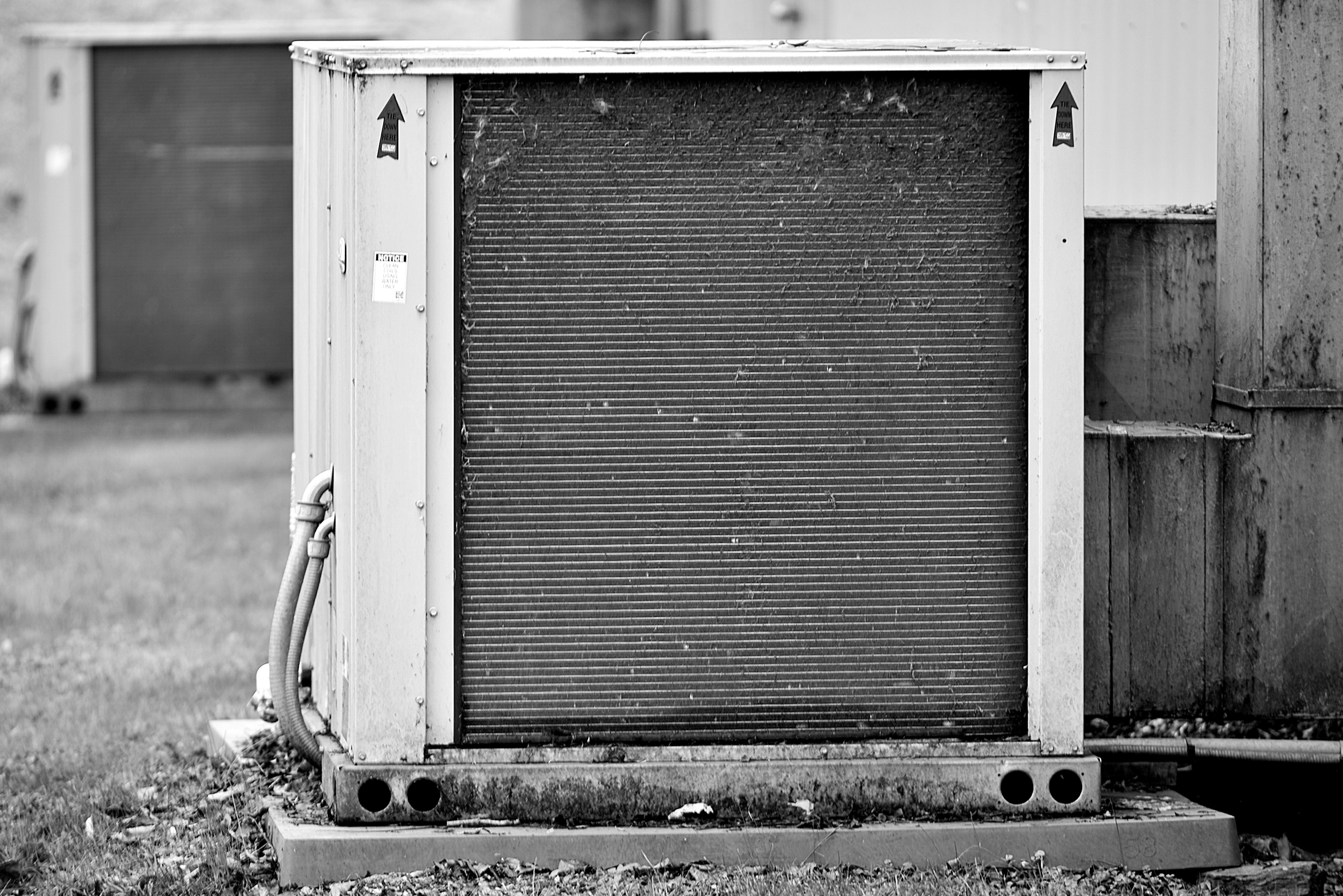
Spring is here, and so is allergy season. Before you chalk up your sneezing and congestion to tree pollen outside, take a look at what might be happening inside your own home. Your HVAC system, which most of us rely on to keep the air clean and comfortable, could actually be working against you.
Here’s what you need to know. HVAC systems do not generate fresh air. They circulate the air that already exists inside your home. That means every pet hair on the couch, every mold spore creeping up from the basement, and every bit of pollen tracked in from the front door is fair game for your system to pick up and push into every room in the house. As HVAC specialist Russ Teaca puts it, “If there is pet hair in the living room, mold spores in the basement or pollen in the hallway, the return tubes of your HVAC system will pick up all of those allergens and send them properly to every bedroom.”
In newer, tightly sealed homes, this problem gets even more serious. Better insulation and energy-efficient construction mean particles that get inside have fewer ways to escape. Dr. John McKeon, an allergy and air-quality expert, explains it plainly: “That makes filtration even more important, because particles that get indoors may linger longer if they are not effectively removed.”
So how do you know if your system is the culprit?
Pay attention to patterns. If your allergy symptoms ease up when you leave the house, or if they flare up right when the heat or air conditioning kicks on, that is a strong signal. Teaca calls it the “sneezing alarm clock.” If you or your kids start sneezing, coughing, or getting stuffy noses the moment the system starts running, do not ignore that pattern.
Look at your vents and ceiling fans. Dusty vent louvers and grimy fan blades often point to dirty ducts or a heavily loaded filter. HVAC expert Caleb Caviness adds another thing to watch for: if dust seems to return to surfaces shortly after you clean them, your system may be redistributing particles instead of removing them.
Trust your nose. A musty or damp smell right after the AC or heat kicks on is a red flag. A brief dusty odor suggests debris in the ducts or a clogged filter. A smell like a damp basement in those first few seconds points to something more serious. “If your air smells like a damp basement for the first 30 seconds after the AC kicks on, it’s a sign of bacterial or fungal growth on the coils,” Caviness says.
Check the filter. Pull it out and look at it. If it is visibly dark, packed with debris, or bent out of shape, it is overdue for a change. A filter that does not fit properly is equally useless because air will simply bypass it around the edges.
Air-quality expert Michael Rubino makes the case for taking this seriously beyond just the sneezing. “If you are experiencing fatigue, brain fog, digestive issues, skin irritation, mood swings or any chronic symptoms, consider assessing the home and HVAC system for possible issues.” Those symptoms often get blamed on stress or diet, but poor indoor air quality deserves a spot on the list.
As someone who walks these streets and talks to neighbors every week, I can tell you that indoor air quality is one of the most overlooked home maintenance topics there is. The good news is that fixing most of these issues is straightforward and affordable. Change your filters regularly, at minimum every three months and more often if you have pets. Look into higher-quality filters with a MERV rating of 8 to 13. Schedule a professional duct cleaning if you have not had one in several years. And ask an HVAC technician to inspect the coils for any mold or mildew buildup.
Your home should be a refuge this allergy season, not the source of your misery. A little attention to your HVAC system now can make a big difference for the whole family.