Local Drivers Face Varying Insurance Costs as Rates Depend on Multiple State-Specific Factors
Car insurance costs vary dramatically across states, with drivers paying significantly different rates based on factors both within and beyond their control, according to recent industry analysis.
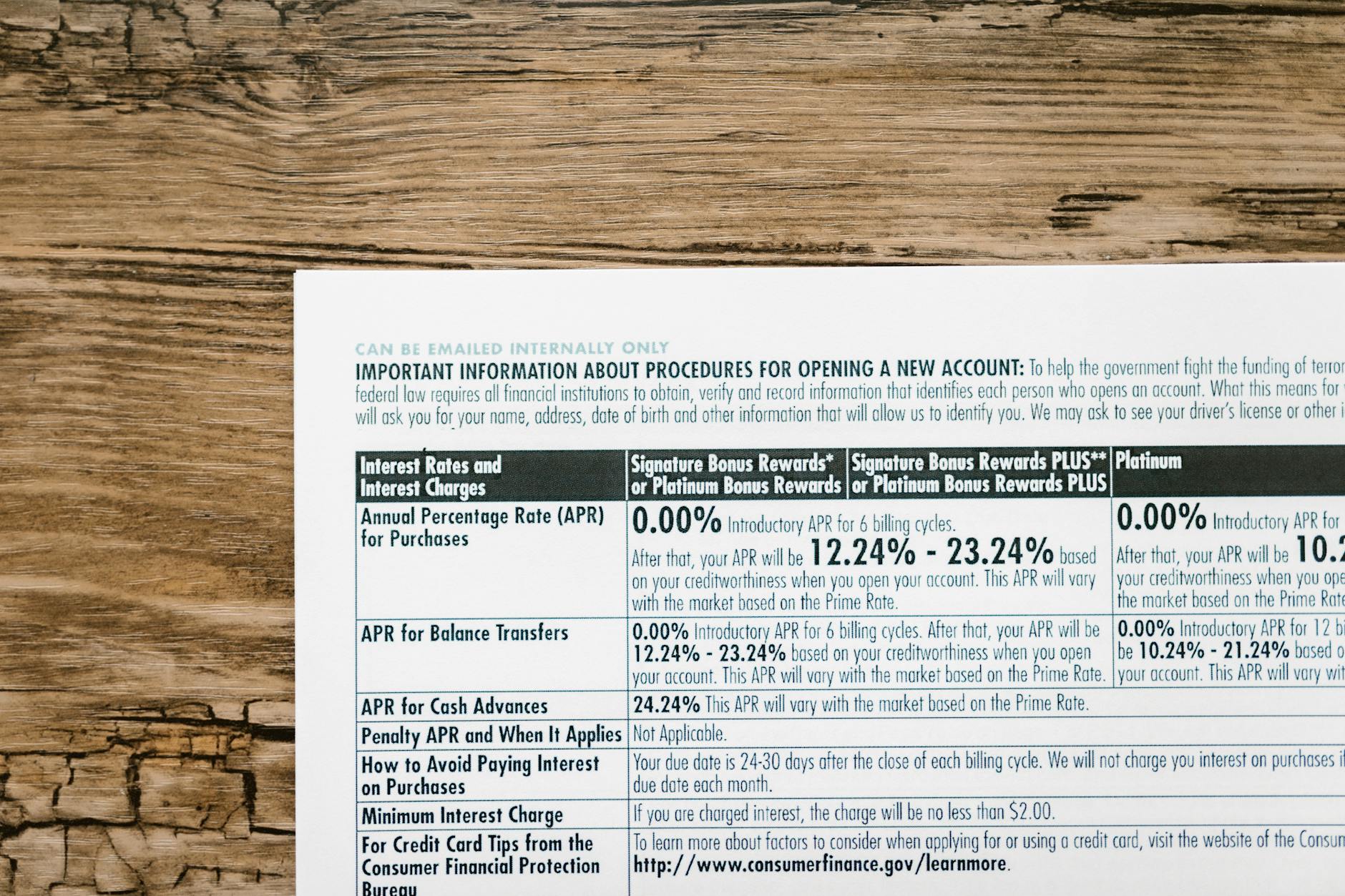
Car insurance costs vary dramatically across states, with drivers paying significantly different rates based on factors both within and beyond their control, according to recent industry analysis.
Insurance companies calculate premiums using a complex mix of personal and regional factors, according to Bankrate. Personal elements include driving records, vehicle types, and chosen coverage levels. However, state-specific conditions play an equally important role in determining what residents pay for coverage.
Regional factors that influence insurance rates include road conditions, the number of licensed drivers, uninsured driver statistics, traffic density, and local cost of living as it relates to repair and labor costs, according to Bankrate’s state-by-state analysis. Weather conditions, local claims history, and state laws specifying minimum required insurance coverage also factor into rate calculations.
The variation in these conditions explains why drivers in neighboring states can face vastly different insurance costs for similar coverage and driving profiles.
For drivers seeking the most affordable options, certain insurers specialize in providing competitive rates for specific situations. ValuePenguin’s analysis identified insurers offering the best rates for various circumstances, noting that their recommended companies provide coverage in at least 25 states.
American Family offers competitive rates for full coverage policies and drivers with poor credit, according to ValuePenguin. Auto-Owners provides favorable rates for liability-only coverage, teen drivers, drivers with speeding ticket records, teen drivers with speeding violations, and teen drivers who have been in accidents.
State Farm offers competitive rates for drivers with accident history, while Progressive provides better rates for drivers with DUI convictions, according to the analysis. USAA offers advantageous rates specifically for military families.
The insurance landscape reflects broader economic and demographic patterns across different regions. States with higher costs of living typically see elevated insurance premiums due to increased repair and labor costs. Areas with severe weather patterns often experience higher rates due to increased claims frequency and severity.
Traffic density plays a particularly significant role in rate calculations. Urban areas with heavy congestion typically see higher accident rates, leading to increased premiums for drivers in those regions. Conversely, rural areas with lower traffic density often enjoy reduced rates, though other factors like limited repair facilities can offset some savings.
State insurance requirements also create rate variations. Some states mandate higher minimum coverage levels or require additional protection types like personal injury protection or uninsured motorist coverage. These requirements directly impact the baseline cost for legal driving in those states.
The presence of uninsured drivers in a state affects rates for insured motorists. Areas with higher percentages of uninsured drivers often see elevated premiums as insurance companies account for the increased risk of accidents involving uninsured parties.
Nerdwallet provides state-by-state rankings of the cheapest insurers along with median rates, though actual quotes vary based on individual circumstances and the multiple factors insurance companies consider.
For local drivers, understanding these factors can help in making informed decisions about coverage options and insurance providers. While some elements like weather and state requirements remain fixed, drivers can influence their rates through factors like maintaining clean driving records, choosing appropriate coverage levels, and shopping among different insurers.
The complexity of insurance pricing underscores the importance of comparing quotes from multiple providers, as different companies weigh various factors differently in their rate calculations. What makes one insurer expensive for certain drivers might make another company more affordable for the same coverage needs.
As insurance costs continue representing a significant expense for vehicle owners, understanding the factors driving these costs becomes increasingly important for household budgeting and financial planning.