Local Families Navigate Parenting Children with Trauma Through Faith-Based Approach
Parents raising children who have experienced trauma face hundreds of daily challenges that can turn homes into battlegrounds, according to guidance from Focus on the Family, a Christian family advocacy organization.
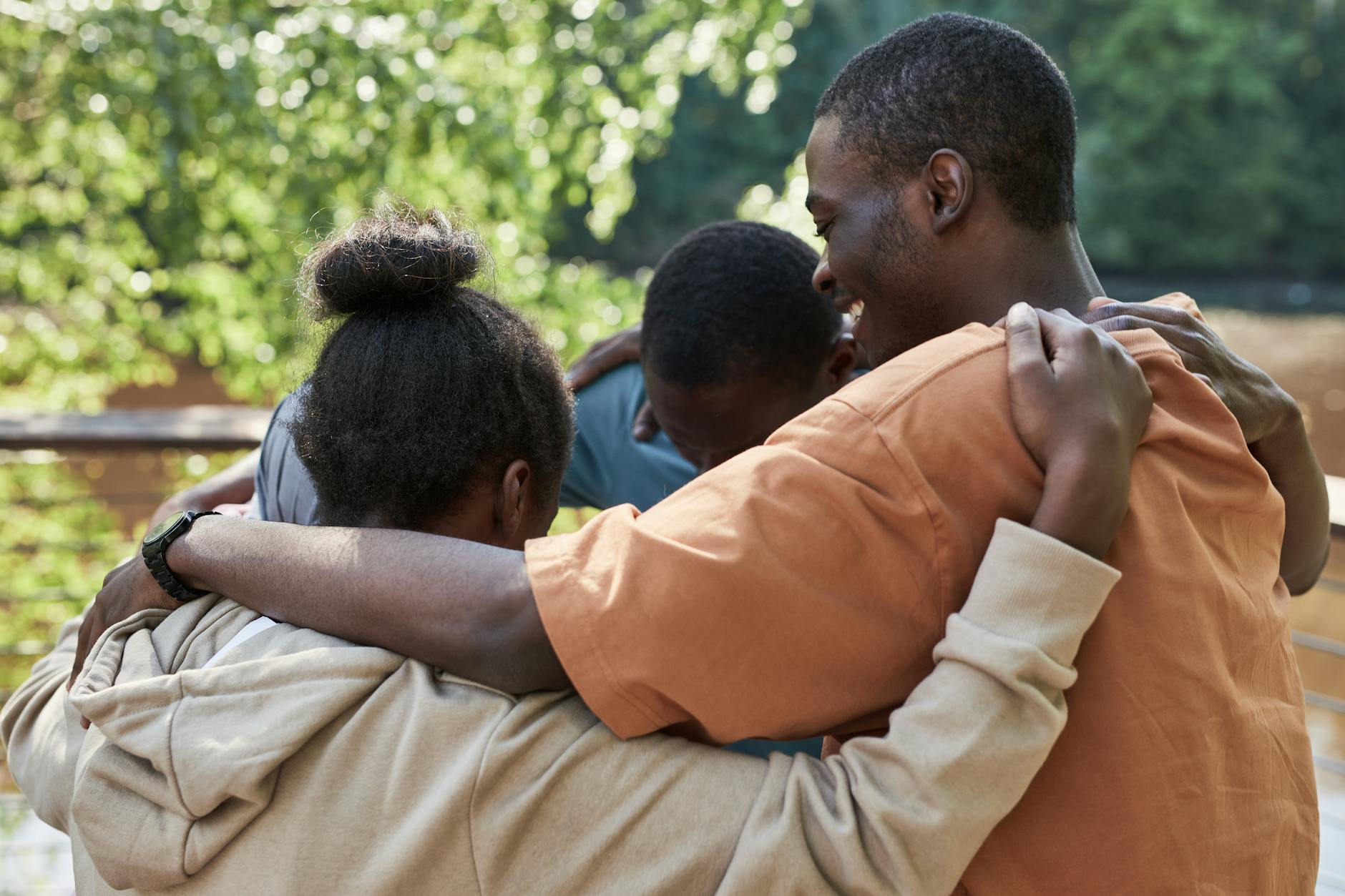
Parents raising children who have experienced trauma face hundreds of daily challenges that can turn homes into battlegrounds, according to guidance from Focus on the Family, a Christian family advocacy organization.
The organization’s recent parenting resource addresses a common struggle among families dealing with childhood trauma: the instinct to address every behavioral issue as a battle to be won through consistent discipline and consequences.
“When I first began parenting my trauma-impacted child, I believed it was my job to fight every single battle,” the resource states, describing how this approach created “an environment of constant conflict and hostility” within the first two years.
The guidance suggests that many behaviors parents interpret as defiance actually represent trauma responses rooted in fear, shame, or unmet needs. According to the organization, fighting these responses without understanding their origin can damage parent-child relationships and deepen emotional wounds.
Focus on the Family recommends that parents adopt a more selective approach, drawing parallels to biblical leaders who sought divine guidance before engaging in warfare. The resource cites Old Testament examples where leaders like David, Joshua, and Jehoshaphat paused to pray before battle, sometimes receiving direction to stand down rather than fight.
“Not every battle is yours to fight,” according to the organization’s key takeaways. “Just as biblical leaders paused to ask God before going to war, parents of trauma-impacted children are called to seek discernment before reacting.”
The approach emphasizes connection over correction, suggesting that children who have experienced trauma heal through feeling safe and understood rather than being overpowered. The organization describes the parent’s role as that of a shepherd rather than a conqueror.
Daily challenges for families with trauma-impacted children range from seemingly small issues like brushing teeth, putting on shoes, and completing homework to more serious concerns including aggression, dishonesty, and self-harm behaviors, according to the resource.
The organization warns that attempting to address every issue through correction and demands can leave children feeling “under siege” and transform homes into battlegrounds. This approach often results in “discouragement, loss, and relational damage,” the guidance states.
Instead, the faith-based approach encourages parents to seek spiritual guidance about which issues require direct intervention and which should be handled differently or released entirely. According to the resource, prayer helps parents “focus on what truly matters — a child’s sense of safety, identity, and belonging — rather than getting lost in daily power struggles.”
The organization frames this selective approach not as permissive parenting but as an act of trust and faith that creates space for healing beyond what parents can accomplish alone. “God fights battles we cannot,” the resource states. “Releasing control to God isn’t passive parenting; it’s an act of trust and faith.”
The guidance acknowledges that as trauma-impacted children grow older, challenges become more complex, requiring parents to continually seek clarity as they navigate new developmental stages and dilemmas.
Focus on the Family’s approach reflects a growing recognition among family advocates that traditional disciplinary methods may not be effective for children who have experienced trauma, requiring parents to develop new strategies that prioritize emotional healing and relationship building over immediate behavioral compliance.
The organization’s resource aims to help parents distinguish between behaviors that require direct intervention and trauma responses that need understanding and support rather than confrontation.