Turn Storm Debris Into Wildlife-Friendly Fencing With DIY Dead Hedges
Suburban homeowners dealing with fallen branches from recent storms can transform yard waste into functional, eco-friendly barriers using a centuries-old European technique called dead hedging.
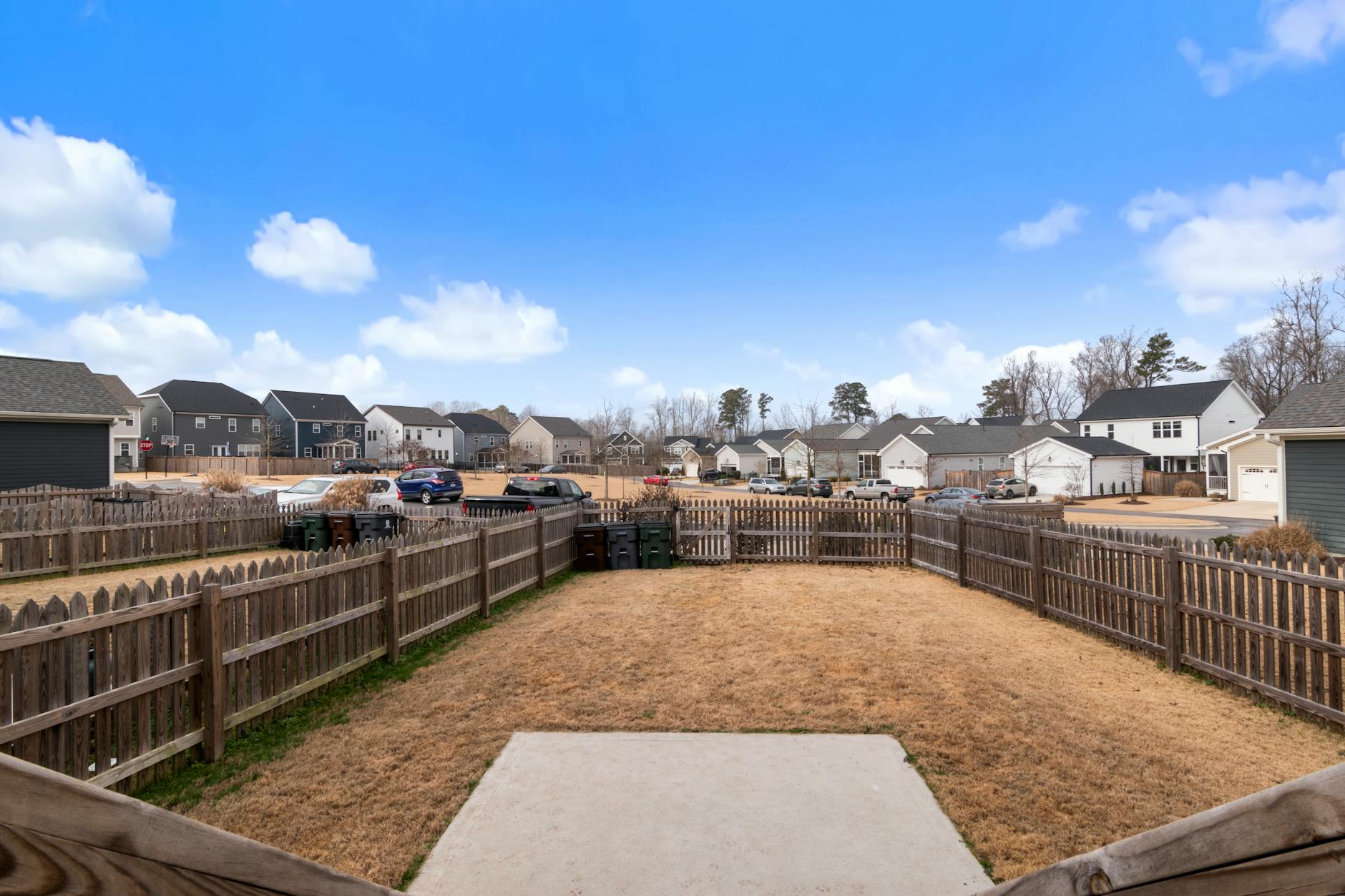
Suburban homeowners dealing with fallen branches from recent storms can transform yard waste into functional, eco-friendly barriers using a centuries-old European technique called dead hedging.
A dead hedge creates a natural barrier by loosely stacking and weaving branches, twigs and plant debris between two rows of stakes, according to sustainable landscaping experts. The method offers homeowners a way to reuse yard waste while creating privacy, wildlife habitat and soil improvement.
“I think dead hedges are more common in that part of the world, but that’s not to say that they can’t be built in the US, and that people don’t use them over here,” says Deryn Davidson, the Sustainable Landscape State Specialist for Colorado State University Extension, who first encountered the technique during an internship at Kew Gardens in London.
The concept was formalized in the 1980s as the “Benjes hedge,” named after German landscape gardeners Hermann and Heinrich Benjes, who promoted it as a way to reuse pruning waste while encouraging natural regeneration, according to landscaping experts. Brushwood barriers have been used across Europe for centuries to mark boundaries and protect woodland.
Davidson describes the benefits as “stacking functions” that go beyond simple yard cleanup. Dead hedges provide eco-friendly waste disposal by reusing branches instead of sending them to landfills or burning them. The decomposing wood supports insects known as detritivores, which feed birds and small mammals, while the dense layers provide wildlife shelter.
As organic materials break down, they enrich the soil beneath the hedge, according to Davidson. The structures also provide privacy and wind protection when densely layered, and can serve as natural trellises for climbing plants like squash, beans or flowering vines.
The low-cost barriers require only stakes and basic tools beyond the branch materials. When placed strategically, dead hedges can also control erosion. “If placed strategically on the contour line, then anything that might erode is going to stop at the fence,” Davidson explains, noting the importance of sturdy construction for erosion control purposes.
Building a dead hedge requires minimal equipment: a mallet, pruning shears, sturdy stakes and collected branches. The process begins with choosing the right location based on desired functions, whether marking property lines, dividing garden zones, creating privacy or serving as wildlife corridors.
In wildfire-prone areas, placement requires extra consideration. “It doesn’t mean you can’t have them, but be much more thoughtful about where it is in relation to other structures,” Davidson advises.
Construction starts with driving stakes into the ground in two parallel rows, spacing them about 3 to 5 feet apart along each row. The distance between rows should measure 12 to 25 inches to determine the hedge’s thickness.
The structure’s longevity depends on selecting and properly positioning sturdy posts. “You don’t want to put all the time and effort in, and then strong winds come in and knock it over,” Davidson warns.
Builders should start with thicker branches at the base for stability, then layer smaller cuttings on top. The weaving process involves threading branches between the stakes to create a stable, interlocked structure.
Davidson notes that dead hedges have gained popularity in various American regions, with builders adding “inventive types of regional flair” to the traditional European design.
For suburban homeowners facing cleanup from storm damage or regular yard maintenance, dead hedging offers a sustainable alternative to waste disposal while creating functional landscape features that support local wildlife and improve soil health over time.
The technique transforms what many consider yard waste into purposeful landscape elements that serve multiple environmental and practical functions, making it an increasingly attractive option for eco-conscious homeowners seeking cost-effective solutions for privacy, wildlife habitat and sustainable yard management.